
Foam Roof Installation Las Vegas

Foam roof installation Las Vegas property owners consider involves more than spraying insulation onto an existing surface. A roofing-grade spray polyurethane foam system needs a suitable substrate, carefully planned details and a protective covering. Presto Roofing LV can discuss whether this approach belongs among the options for your low-slope roof. Ask us to confirm the available service, materials and scope for your property.
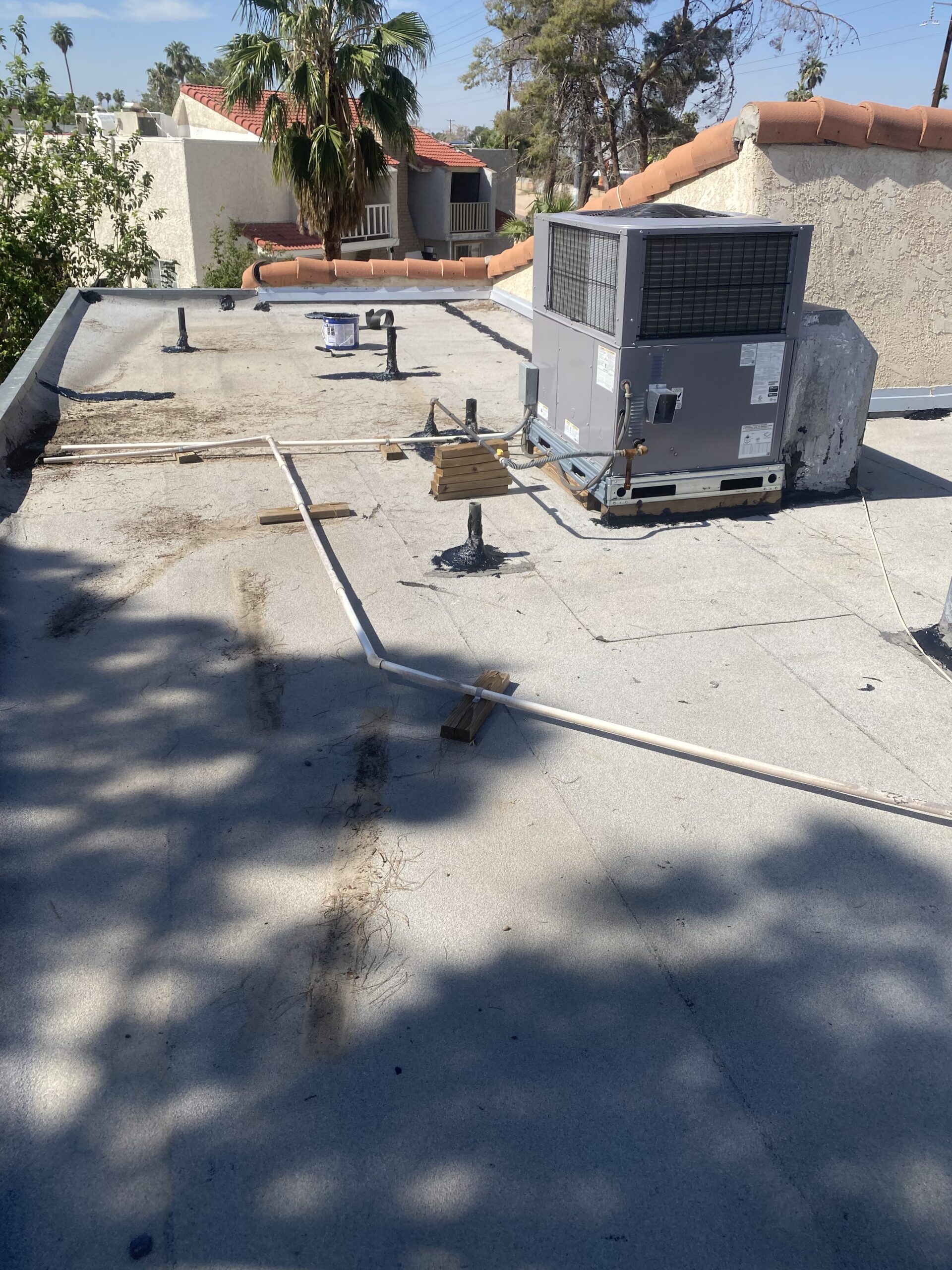
Low-slope roof with HVAC equipment and parapet walls — details to assess for foam roof installation
Low-slope roof with HVAC equipment and parapet walls. General low-slope roof reference; the photograph does not establish the roof system.

When to consider foam roof installation

A low-slope roof needing renewal, an addition with an appropriate design or a property seeking a different roofing assembly can prompt a foam discussion. The reason for considering it should be clear. Foam installation is not an automatic answer to every leak, and it should not be proposed over unknown wet or unstable materials without evaluation.

Tell us about ponding, repeated patches, previous coatings and the roof’s age if known. Existing documentation can identify materials that affect compatibility. Visible roof condition alone may not establish the state of the substrate or concealed layers, so further assessment can be necessary before an installation scope is finalized.

Our foam roof installation process

The first step is to identify the building, existing assembly and roof-use requirements. We review accessible substrate condition, drainage, parapets, penetrations and equipment. A proposal should explain whether existing material will be removed or retained, what testing is needed and which conditions would make the roof unsuitable for the proposed system.

Preparation is a separate and essential part of the scope. Unsound areas and moisture concerns must be addressed rather than buried. Surface cleanliness and compatibility matter to adhesion. The estimate should identify the preparation tasks, including any work around drains, edges or curbs, before describing the new foam layer.

Application needs suitable environmental conditions and control of the work area. Wind, moisture and temperatures influence the plan. Protect adjacent vehicles, equipment, neighboring property and air intakes as appropriate to the operation. Occupant and equipment coordination should be discussed by the installer before work begins, rather than treated as an afterthought.

The completed foam system receives the specified protective coating or covering. Details, coverage and quality checks should follow the selected system’s requirements. At handoff, obtain material information, maintenance instructions and documentation of the work. No unconfirmed certification, thickness or manufacturer authorization is claimed here.
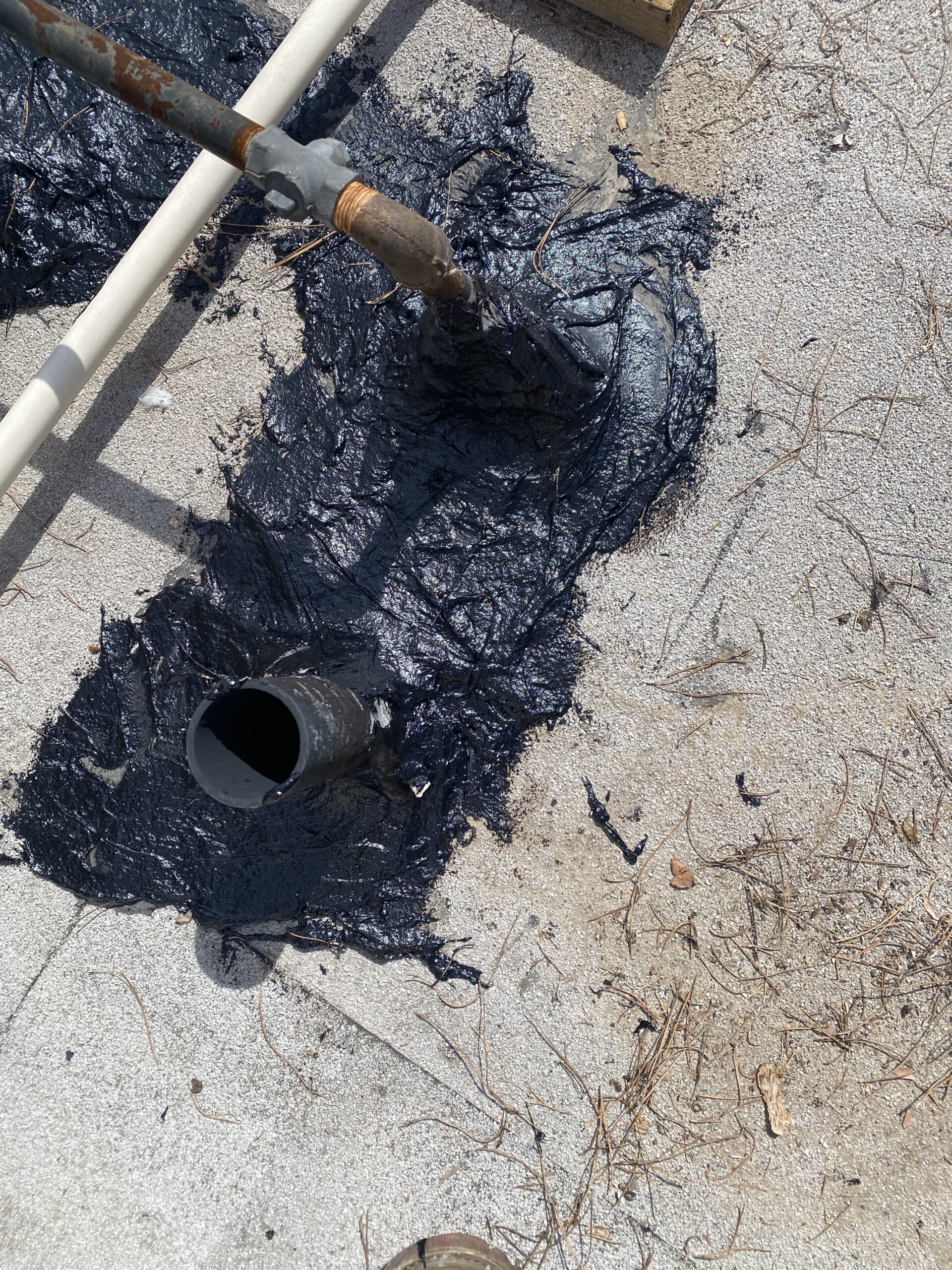
Rooftop pipe penetrations with sealant and scattered pine needles
Rooftop pipe penetrations with sealant and scattered pine needles. General low-slope roof reference; the photograph does not establish the roof system.

Materials for foam roof installation

Roofing SPF and general-purpose spray insulation should not be treated as interchangeable products. The system specification must identify materials suitable for the intended roofing assembly. Required foam properties and thickness belong in the approved design and product documentation, rather than being chosen from a generic online rule.

The protective surface matters because exposed foam needs protection from UV and weathering. Appropriate coating selection depends on the system, substrate, drainage conditions and manufacturer instructions. Silicone, acrylic and other coating families have different requirements; naming a family does not establish that every product in it suits a particular roof.

Flashing details, compatible sealants, reinforcement where specified and access provisions also need review. Ask us to confirm the available service, materials and scope for your property. Keep these selections consistent between the estimate, product documents and any applicable approvals.

Why Las Vegas installation conditions matter

Strong desert sun makes the protective layer particularly important. Heat affects the working environment and application planning, while wind can interfere with spray operations. Dry-looking weather does not remove the need to evaluate surface moisture or follow product limits. Application conditions should be documented as required by the selected system.

Monsoon storms make drainage a design question, not merely a cleanup item. A low-slope roof must direct water toward its intended outlets. Foam can be shaped as part of an approved design, but a promise to fix every ponding area without evaluating the structure and drainage would be inappropriate.

Some Las Vegas homes combine concrete tile over the main rooms with a flat patio or addition. The transition between tile and foam requires a detail appropriate to both assemblies. Equipment access routes should also be planned so future service does not unnecessarily damage the finished protective surface.
Pine needle debris along a low-slope roof edge
Pine needle debris along a low-slope roof edge. General low-slope roof reference; the photograph does not establish the roof system.

HOA review before foam roof installation

An association may review coating color, visible roof edges, parapet appearance or a change in roof material. Confirm the applicable architectural requirements early. A low-slope roof being less visible from the street does not establish that the association has no review process.

The correct building authority depends on the address. For a property within unincorporated Clark County, confirm the County’s requirements for the proposed assembly; city addresses may follow their own permitting process. The installer and owner should understand who handles submittals, inspections and any design documents. Approval for the building work is separate from HOA approval.

Maintenance after foam roof installation

A new system needs future inspections and care. Discuss foam roof repairs and recoating before selecting the assembly. Existing drainage or localized damage may instead fit flat roof repair. For a broader comparison, review roof replacement options.
Related roofing services to consider

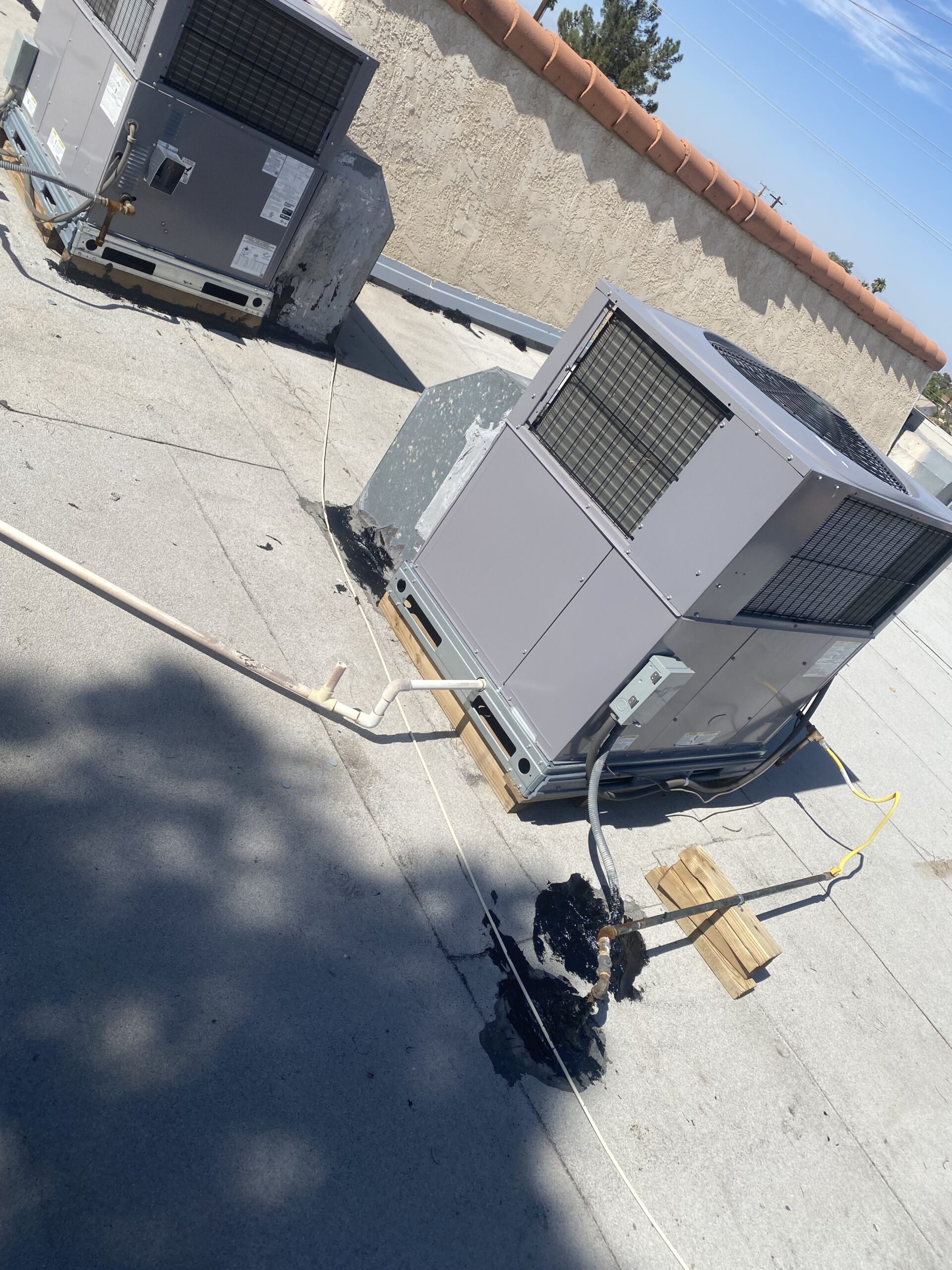
Two HVAC units and rooftop piping on a low-slope roof
Two HVAC units and rooftop piping on a low-slope roof. General low-slope roof reference; the photograph does not establish the roof system.

5 essential foam roof installation checks

  1. Assess the existing substrate and investigate moisture before selecting an overlay.
  2. Confirm the proposed roofing-grade foam and protective covering as one compatible system.
  3. Discuss drainage details, penetrations and transitions before foam roof installation starts.
  4. Plan protection for nearby property and suitable environmental application conditions.
  5. Obtain foam roof installation specifications, completion records and maintenance instructions.

Foam roof installation planning should connect substrate findings with the chosen assembly. Ask which conditions would change the foam roof installation scope and how those decisions will be documented. A foam roof installation proposal should also explain the protective coating and future access needs, rather than describe foam alone.

For additional planning information, consult Spray Polyurethane Foam Alliance roofing installation guidance.

Foam roof installation frequently asked questions

Can foam be applied over any existing roof?

No universal overlay recommendation is appropriate. Suitability depends on the existing assembly, moisture, stability, compatibility, code and the proposed system.

Does roofing foam need a coating?

An SPF roofing system needs a protective covering for UV and weather exposure. The specific protective system must follow the approved product requirements.

Will a foam roof eliminate my cooling bill?

No. Energy performance depends on the building, insulation, equipment and system. This page makes no guaranteed energy savings claim.

Can installation take place in windy weather?

The applicator must evaluate wind and other environmental conditions against the work plan and product limits. Some conditions require postponement.

What thickness do you install?

Confirm the project-specific thickness against the system design and selected product requirements.. Thickness should be specified for the actual roof rather than stated as one figure for every property.

What follow-up does the new roof need?

Ask for written inspection, cleaning, access and recoating guidance tied to the installed system. Future service intervals depend on its condition and instructions.

Discuss your foam roof installation

Discuss foam roofing suitability with Presto Roofing LV. Call 702-867-0187 or contact us about a low-slope roofing project.