
Roof Inspection Las Vegas

Roof inspection Las Vegas homeowners arrange should leave them with a clearer understanding of roof condition, accessible findings and the next decisions. An inspection is not the same as a repair, a certification or a promise that concealed areas contain no defects. Presto Roofing LV can discuss the purpose of your visit and define the roof sections and observations included. This page focuses on residential inspections; commercial inspection services have their own page.
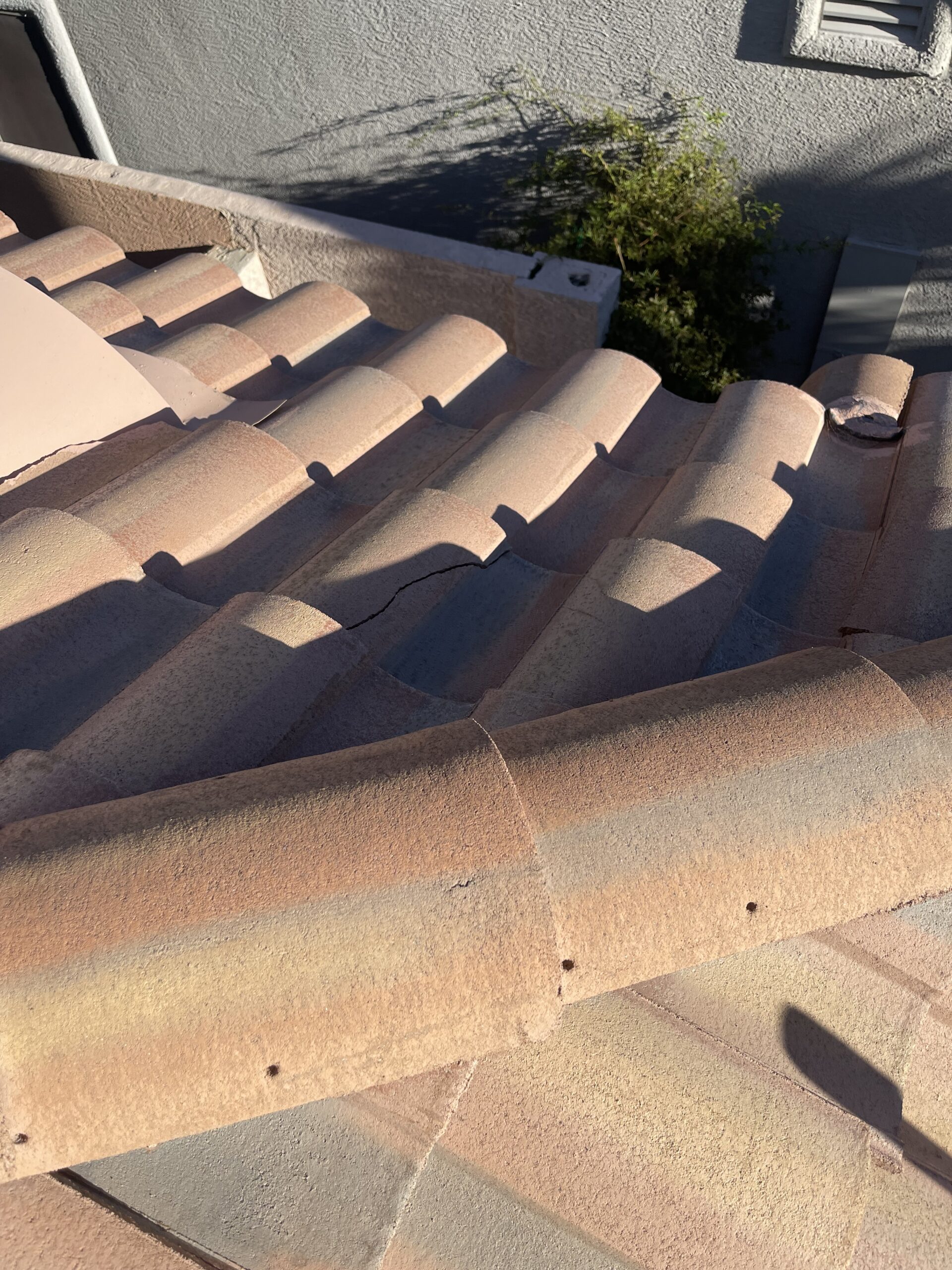
Cracked curved roof tiles near the roof edge — roof inspection assessment reference
Cracked curved roof tiles near the roof edge.

Signs you need a roof inspection

Consider an assessment after finding a tile in the yard, noticing a ceiling mark or seeing debris collect near a valley. A visit can also be useful before planning substantial roof work or following rooftop equipment service. Explain the event that prompted your request so the inspection can address that question rather than provide a generic checklist.

A property purchase or insurance request may call for a specific report format or qualifications. Obtain those requirements before booking. Ask us to confirm the available service, materials and scope for your property. A routine visual visit should not be sold as satisfying an outside party’s requirements without checking them.

Our roof inspection process

First we identify the roof systems, property address and inspection purpose. Tell us about active leaks, earlier repairs and equipment that could restrict access. Discuss whether attic access is available and whether it is included. A roof viewed only from the ground has different limitations from a visit involving accessible roof surfaces.

The examination considers visible covering condition, displaced tiles, roof edges, flashing, penetrations and drainage features appropriate to the assembly. Foam roofs require attention to coating condition and exposed or damaged areas. At a mixed-system property, the inspection should distinguish tile slopes from flat sections rather than treat the whole building as one material.

Findings should identify locations and explain what was observed. A useful photograph includes enough context to recognize the area, followed by closer views of relevant details. If an area cannot be reached or examined, that limitation belongs in the findings. Unexamined areas must not be described as confirmed sound.

We discuss recommended next steps separately from observations. Some concerns may justify monitoring, maintenance or a defined repair. Others may need further access or specialist evaluation. Ask which evidence supports each recommendation and whether pricing covers investigation alone or any work performed during the visit.
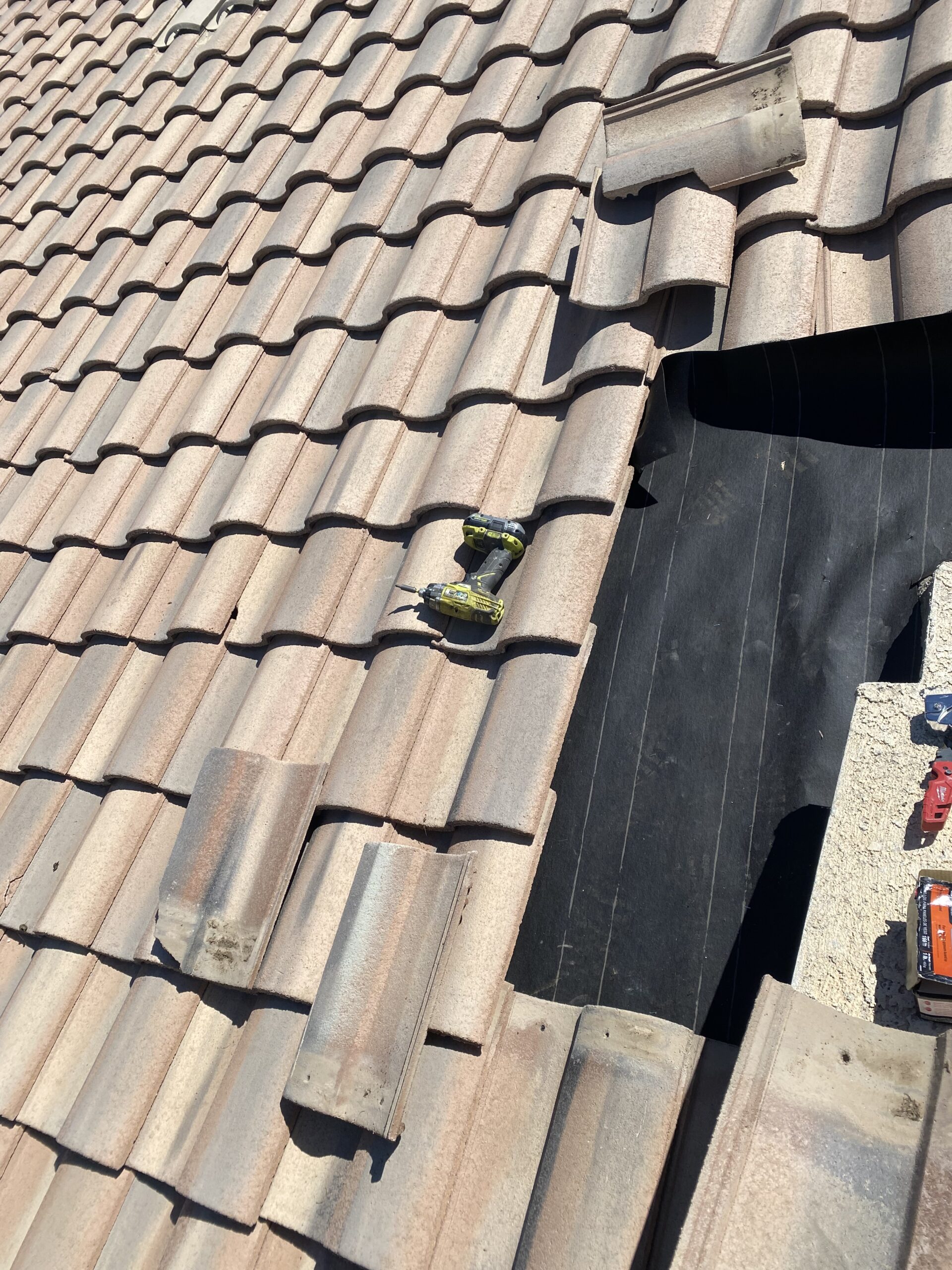
Roof tiles removed to reveal underlayment at a stucco wall
Roof tiles removed to reveal underlayment at a stucco wall.

Materials for roof inspection

On concrete or clay tile systems, the visible layout can reveal cracked pieces, displacement and unusual gaps. The condition below the tiles cannot always be determined without lifting them. Explain any known profile, previous tile replacement or underlayment history so the inspection can connect visible conditions with the available records.

For foam flat roofs, visible coating wear, penetrations, roof edges and drainage paths are relevant. The roof’s existing coating and repair history can affect future material choices. Membrane and shingle sections have different seams and attachment details. Ask us to confirm the available service, materials and scope for your property. No drone, thermal or other specialized capability is claimed without confirmation.

Why Las Vegas conditions shape the visit

Heat and UV can weather exposed roof surfaces without producing an immediate indoor symptom. Monsoon storms put brief but intense demands on drainage and flashing. Wind may disturb poorly secured material or carry debris into narrow roof junctions. An inspection should consider those exposures while describing actual observations at the property.

A dry-weather inspection cannot reproduce every rainfall pattern. Likewise, a visible stain after rain does not establish the full water path. Ask what the visit can reasonably establish and whether a later test or follow-up would answer a remaining question. The weather history is context, not a substitute for evidence.

Rooftop AC units, solar collectors and additions can limit access or create transitions worth reviewing. Tell us about equipment service before the visit. If moving equipment is required, responsibility must be coordinated with the appropriate provider rather than assumed part of a standard inspection.
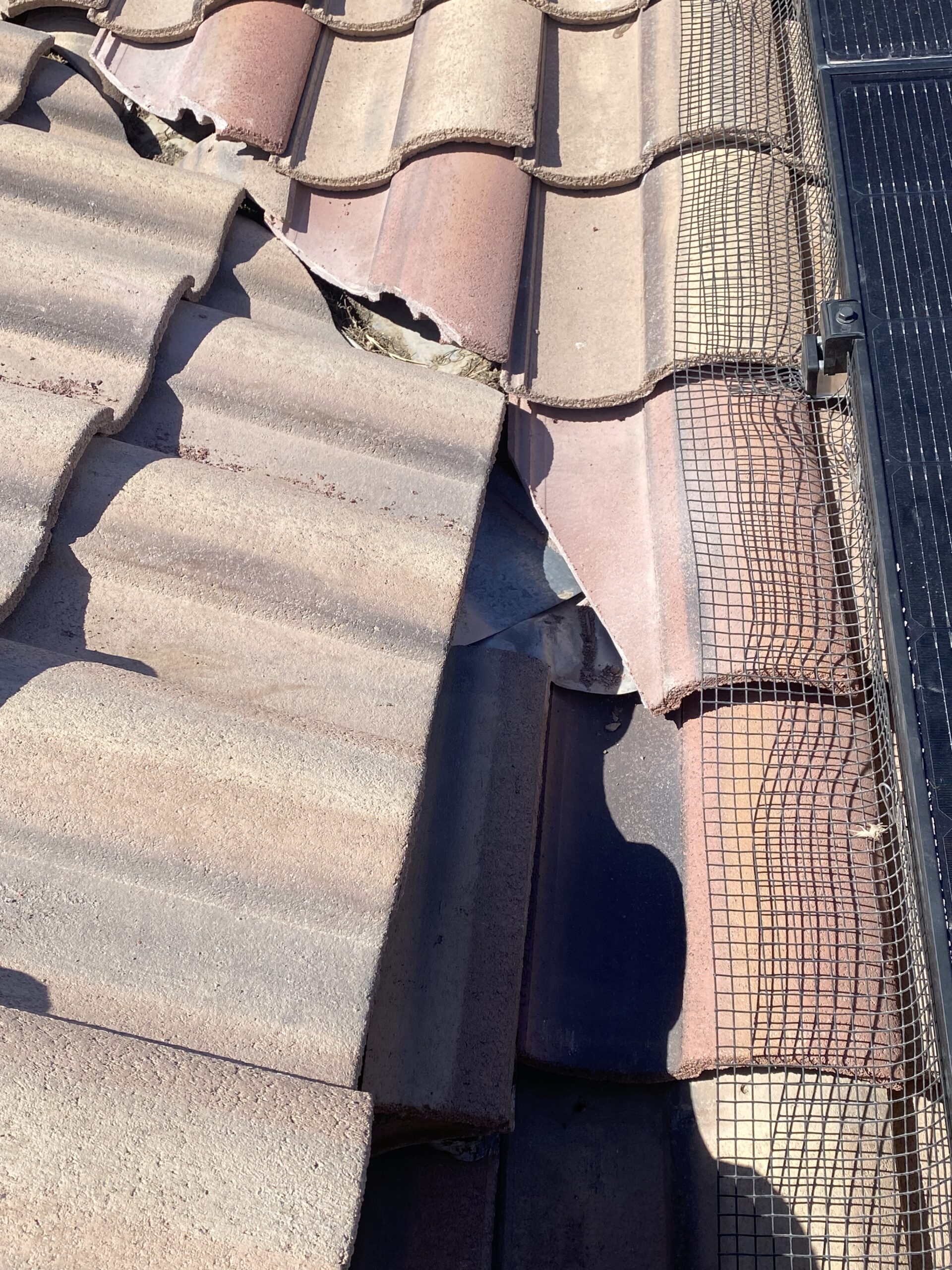
Tile roof valley beside solar panels
Tile roof valley beside solar panels.

HOA access and Clark County considerations

Association-managed properties may have shared roofing responsibilities, gate procedures or restrictions on roof access. Establish whether the owner or association controls the affected section. Obtain the appropriate authorization before arranging an inspection on a shared roof or a neighboring property.

A visual inspection and construction permit are different things. Clark County or the relevant city building department determines approvals for subsequent regulated work within its jurisdiction. An inspection report is not a permit or official code clearance. If repairs are recommended, the proposal should address applicable permit responsibility after the scope is known.

Turn findings into the right next step

Visible defects can lead to tile roof repair, while uncertain water entry may need roof leak investigation. Business properties should use our existing commercial roof inspection service. Discuss the report purpose before selecting a service.
Related roofing services to consider

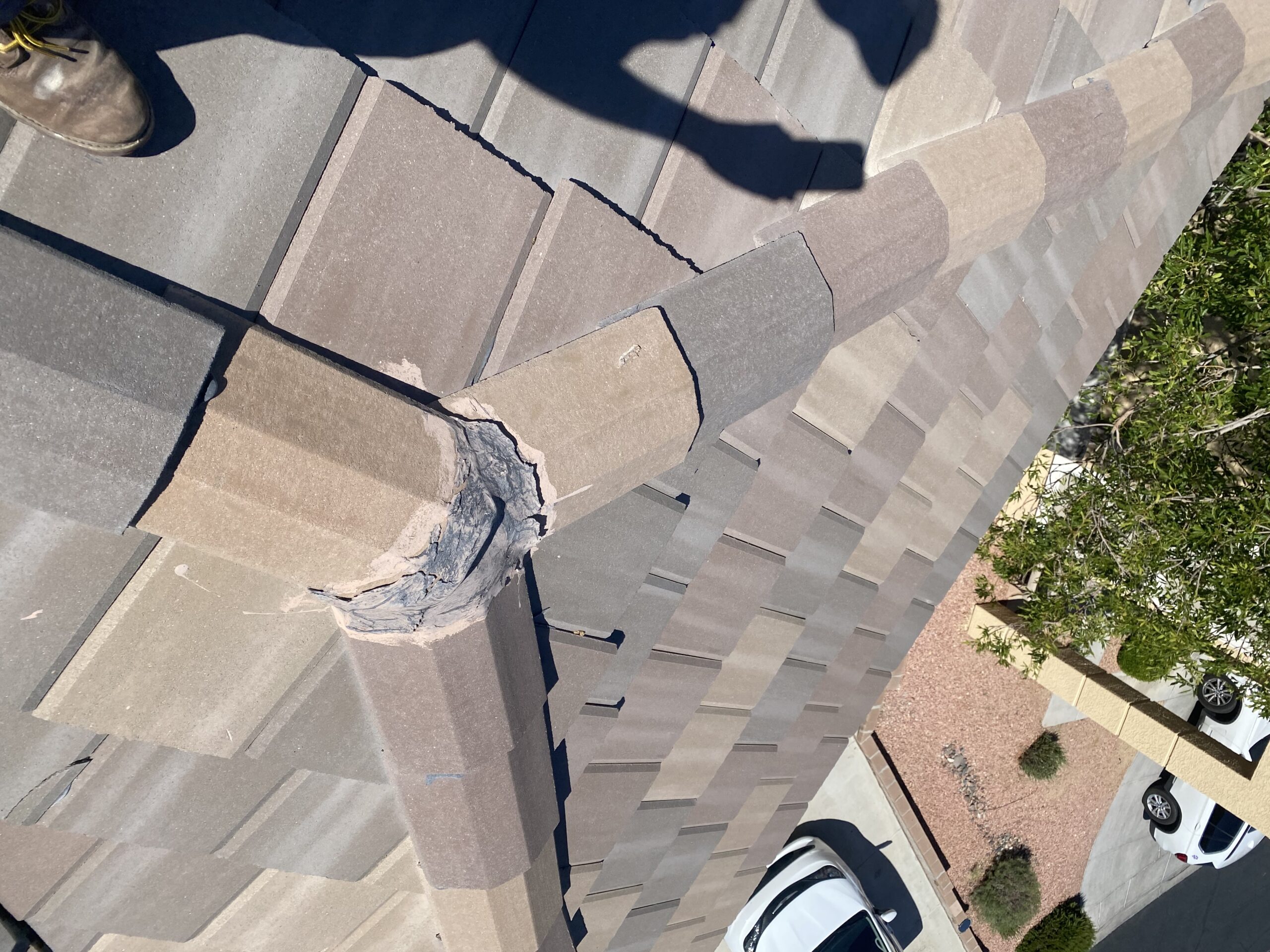
Tile roof ridge junction with chipped edges
Tile roof ridge junction with chipped edges.

Define the inspection deliverables

Before confirming the visit, ask which roof areas will be covered and what written findings you will receive. If another party needs a report, share its requirements in advance. Agree how inaccessible areas will be recorded so an access limitation is not mistaken for a clean bill of health.

5 essential roof inspection planning checks

  1. State whether the roof inspection is for maintenance, a leak, a purchase or another specific purpose.
  2. Share previous roofing records and the location of known repairs.
  3. Confirm which surfaces, attic areas and equipment-adjacent locations are included.
  4. Request photographs and clear notes about any inaccessible or concealed section.
  5. Distinguish roof inspection findings from repair recommendations and outside certification requirements.

The value of a roof inspection comes from a defined scope and usable findings. A roof inspection should tell you what was observed and what remains unknown. Keep the roof inspection records with future repair invoices so a later visit can compare changes in the same location.

For additional planning information, consult Tile Roofing Industry Alliance technical inspection resources.

Frequently asked questions

Is an inspection the same as a roof certification?

No. A certification may have a separate purpose, format and requirements. Confirm that service explicitly rather than assume it is included.

Will you lift all the tiles?

Not during a standard visual assessment unless agreed. Destructive or expanded access needs a defined scope and authorization.

Can you inspect a foam roof?

Discuss the roof type and access first. Coating condition, penetrations and drainage need evaluation appropriate to that system.

Will the report include photographs?

Ask us to confirm the available service, materials and scope for your property. The booking should identify the documentation included and any delivery expectations.

Does finding a defect mean replacement is necessary?

No. A defect can lead to maintenance, repair or further assessment. Recommendations should explain why a particular scope fits the findings.

What should I have ready?

Provide the address, inspection purpose, prior repair records and access details. Share any buyer, insurer or association report requirements before scheduling.

Discuss your roof inspection