
Tile roof underlayment replacement Las Vegas properties need is a different project from exchanging a handful of broken tiles. A tile surface can look reasonably intact even when the water-shedding layer below has deteriorated. Presto Roofing LV can discuss an assessment, the boundaries of the affected roof and whether lifting and resetting usable tiles is appropriate. The decision should follow roof findings rather than a universal replacement age.
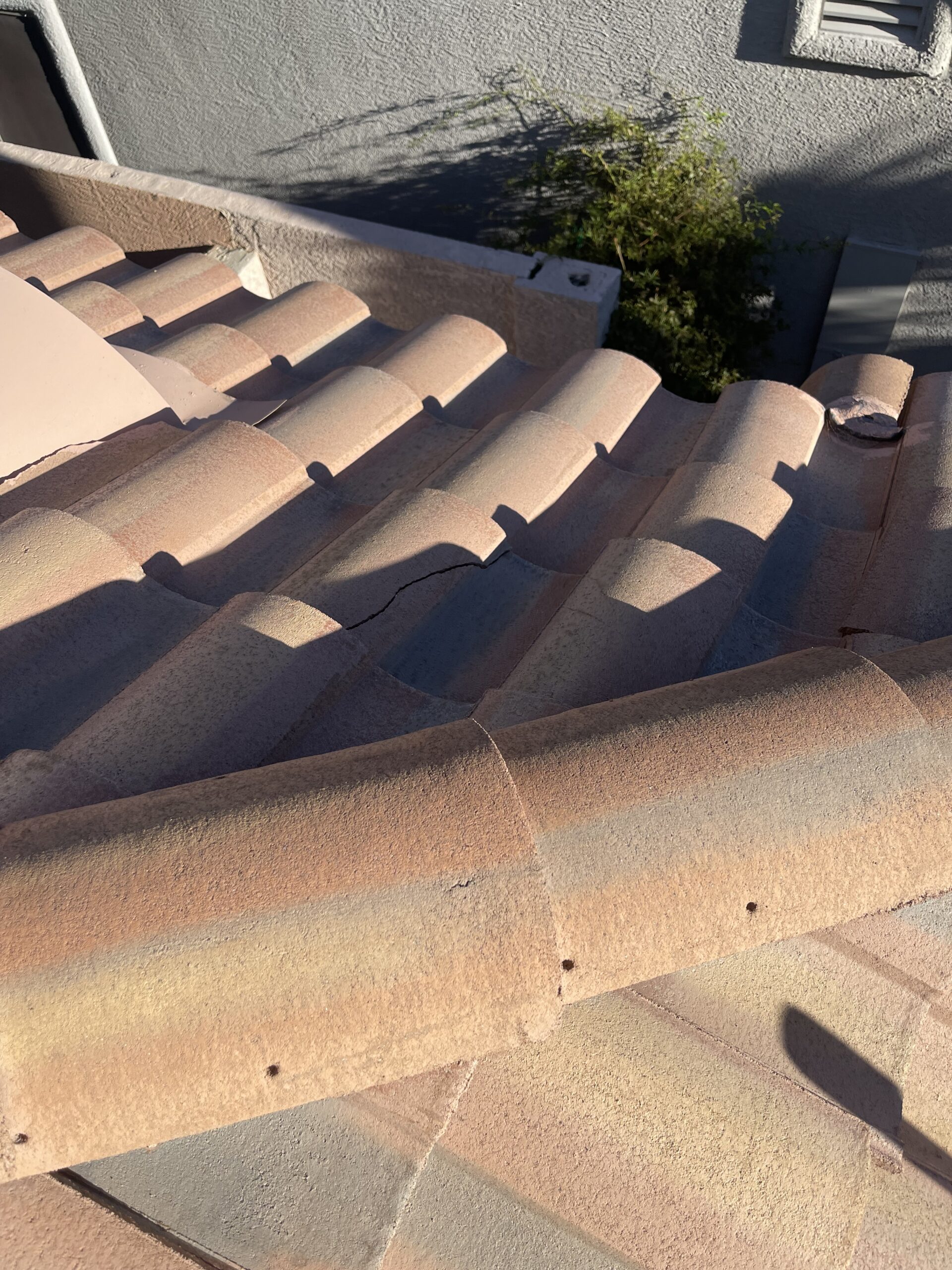
Recurring leaks in different locations, brittle exposed material at gaps or previous patches that no longer resolve water entry can justify a closer look. These observations do not establish the condition of every roof section. Photographs from earlier repairs may help identify where old and newer materials meet and whether a proposed replacement covers the same area.
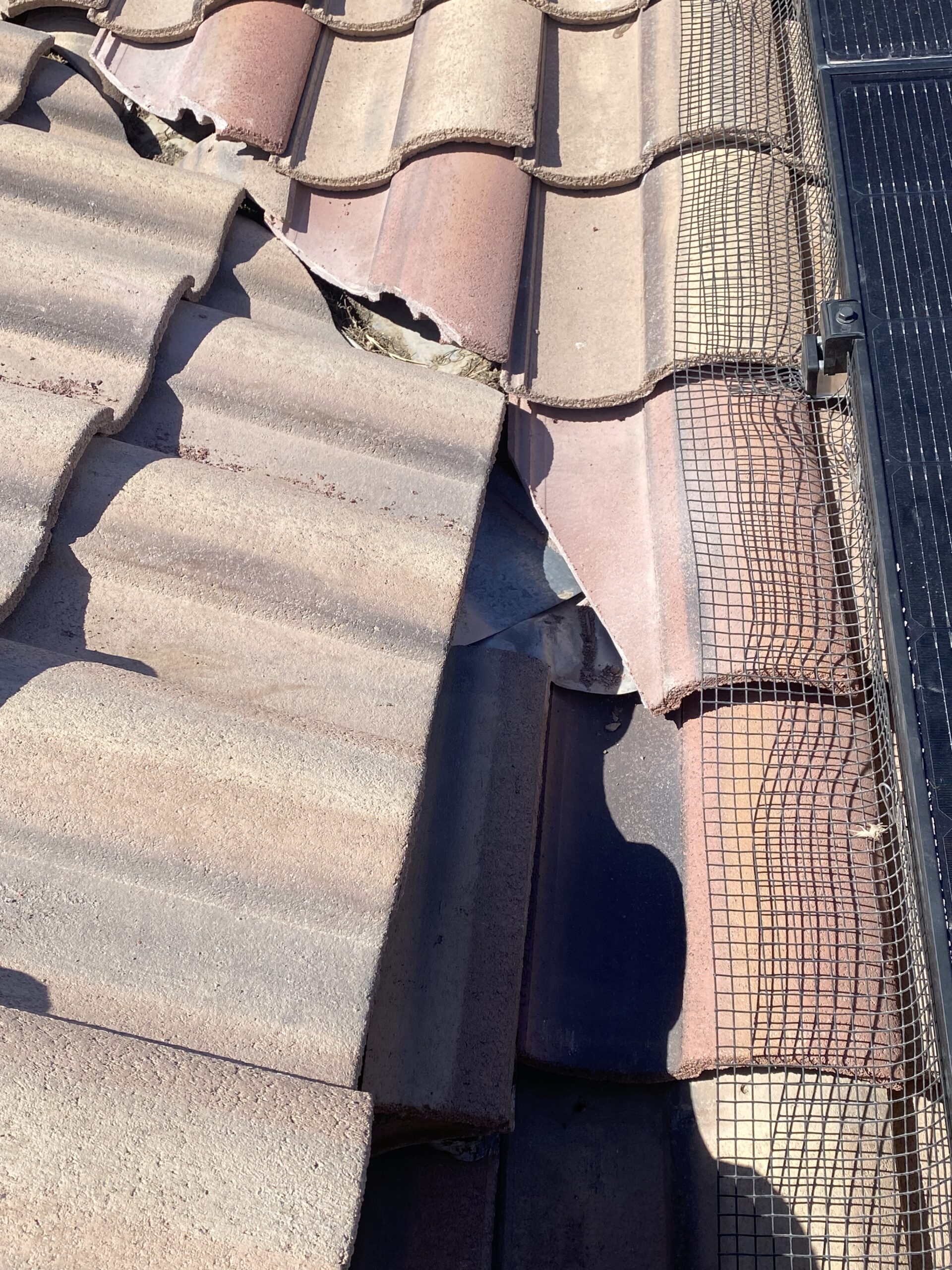
Tile condition and underlayment condition should be assessed separately. Cracked pieces, loose fasteners, valley buildup and flashing defects can contribute to similar symptoms. Before recommending extensive removal, the assessment should explain why a broader underlayment project is more appropriate than a localized repair.
Planning begins with the roof layout, access route, equipment locations and the sections proposed for renewal. We discuss whether usable concrete or clay tiles can be retained, how replacements will be sourced and where materials can be staged without obstructing the property. The proposal should identify any solar or mechanical coordination outside the roofing scope.
During agreed removal, tiles are lifted so the concealed assembly can be evaluated. The exposed decking and adjoining details are examined before new material is covered. Damaged wood, unexpected layers or concealed connections can affect the project. Additional findings should be documented and approved through the change process described in the estimate.
New underlayment must integrate with the roof’s flashing, edges and penetrations. Transitions between renewed and retained sections deserve a clear detail, not an unexplained stopping point. Suitable tiles are then reset using the specified attachment arrangement. Completion records should identify the renewed areas and anything excluded from the work.
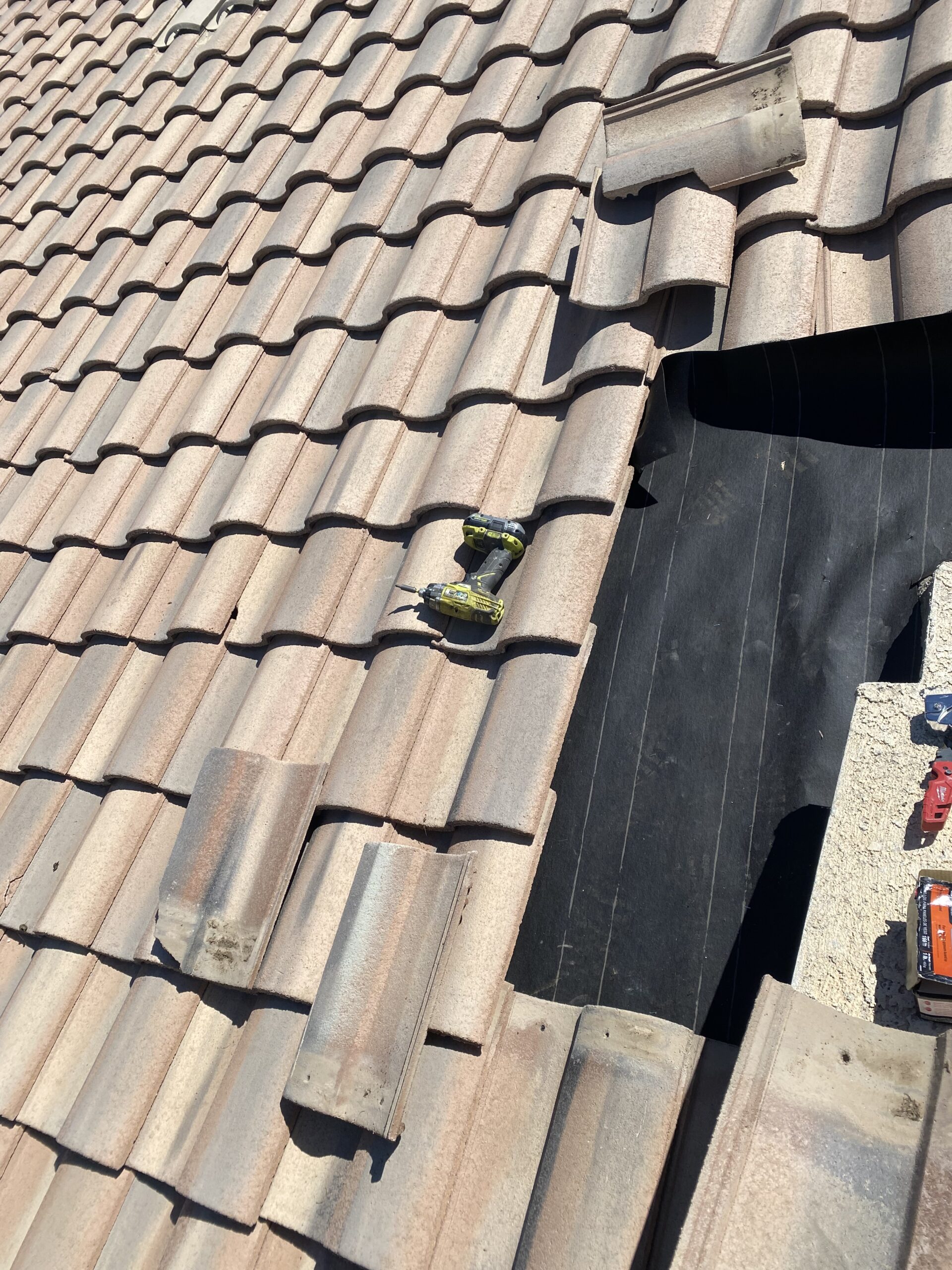
Underlayment selection depends on the roof assembly, slope, product limitations, installation requirements and applicable code. Options may include suitable asphalt-based or synthetic products where approved for that application. Self-adhered materials can be appropriate for particular details, but a product label alone does not establish suitability across the entire roof.
Flashing metal, compatible accessories, fasteners and replacement battens where applicable are part of the system conversation. Ask for the product names and installation specifications in the proposal rather than an unsupported promise of the strongest paper. Ask us to confirm the available service, materials and scope for your property.
Reusing tiles can retain the established appearance, but reuse depends on condition and handling losses. Some profiles are difficult to replace. Allowances for damaged pieces and any appearance differences should be discussed before lifting starts, especially where association requirements limit visible substitutions.
The desert creates a demanding combination of prolonged heat, UV at exposed areas and occasional intense rainfall. The tile covering and concealed layers experience different exposure. A roof that appears dry during months without rain has not necessarily demonstrated that its valleys, flashings and concealed seams are sound.
Wind-driven monsoon rain can reveal weaknesses near walls, ridges or penetrations. Debris trapped below tiles can interfere with intended drainage. A project should consider those details along with the broad field of the roof. On buildings with foam flat-roof additions, the tile-to-flat transition needs a design compatible with both systems.
Temporary weather protection is also part of planning an opened roof. Ask how the crew manages daily exposure and changing conditions. The construction sequence should reflect access and weather; a promised completion date without that context is less useful than a realistic plan.
A lift-and-reset proposal should say whether the visible tile profile and color will change. Obtain any needed HOA architectural approval and share restrictions concerning delivery, staging and work hours. Reusing an existing appearance does not automatically remove every association requirement.
Clark County permit requirements apply within its jurisdiction; city properties may fall under a different building department. Confirm the address, scope and approval responsibilities before work begins. Decking changes or other discoveries may affect the approved work. Permit fees and inspections should be identified where applicable instead of assumed included.
An isolated defect may fit localized tile roof repair. If the source is uncertain, consider roof leak investigation. A project changing the whole roof system belongs with roof replacement planning. The final choice should connect the evidence to the scope.
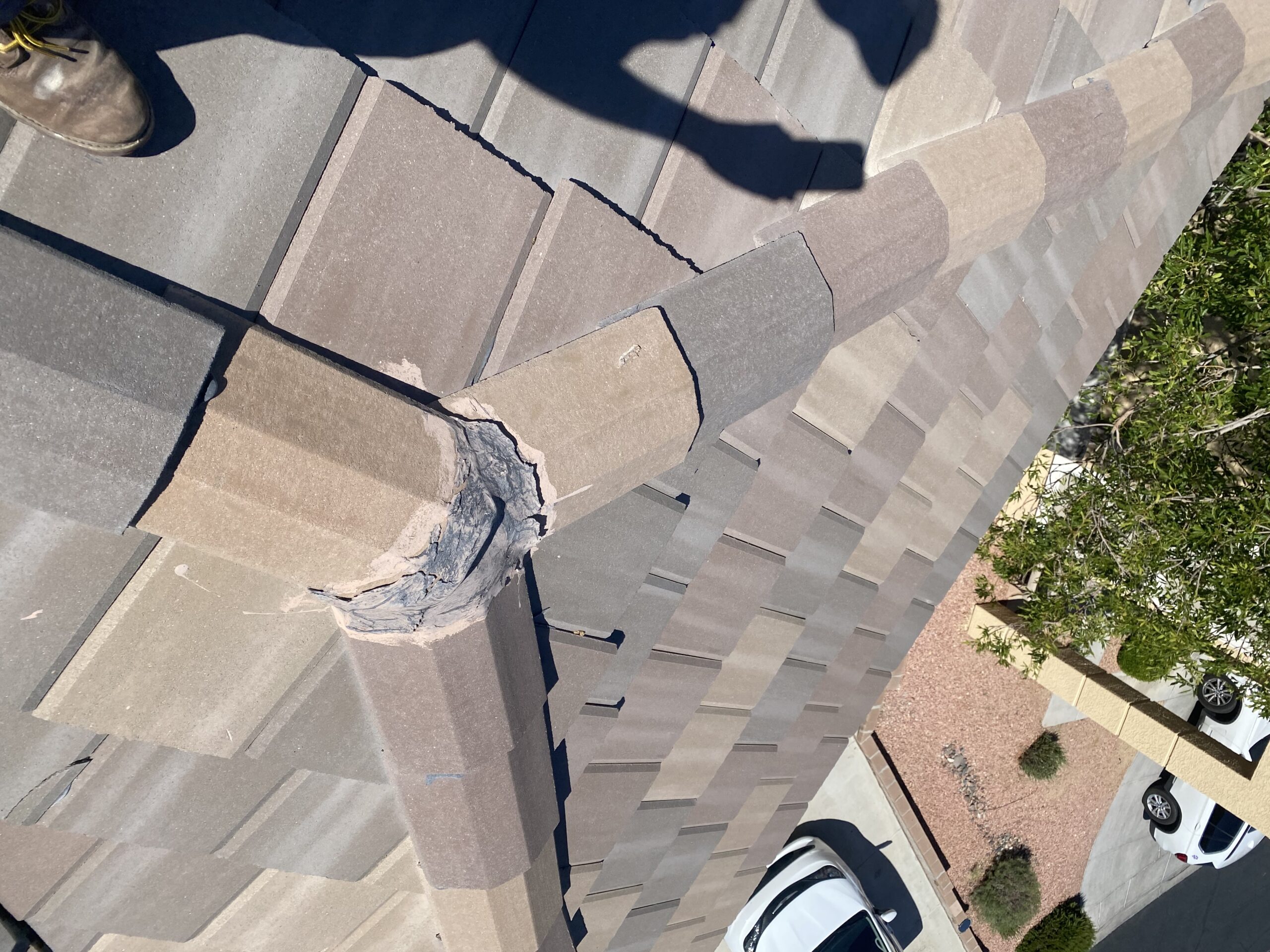
Keep the final material schedule, approved changes and photographs of the underlayment before tiles cover it. Mark the renewed roof planes on a simple drawing. Those records help a future technician understand the boundaries of the project and avoid confusing retained materials with newly installed protection.
Tile roof underlayment is one part of a connected water-management assembly. A proposal for tile roof underlayment should identify the boundaries and transitions as clearly as the selected product. Compare tile roof underlayment estimates by included preparation, flashing and access rather than by a material name alone.
For additional planning information, consult Tile Roofing Industry Alliance roofing detail resources.
Potentially. Reuse depends on tile condition, compatibility and handling. The estimate should explain anticipated replacements and matching limitations.
It renews the specified concealed layer and associated agreed details. Reused tiles and excluded roof sections should not be described as entirely new.
Not automatically. The recommendation should address condition, transitions, access and the practicality of renewing separate areas.
Concealed wood cannot always be evaluated before removal. The proposal should explain the process for documenting and approving unexpected decking work.
Only the written product and workmanship terms can establish coverage. Request the applicable written workmanship and product terms, including coverage and exclusions, before approving work..
Arrange access, clear agreed staging areas and discuss pets, vehicles and equipment providers. Confirm association requirements before materials are ordered.
Start with a discussion of the roof condition through Presto Roofing LV. Call 702-867-0187 or contact our roofing team with your address and previous repair records.