
Pigeons on a roof can become a recurring maintenance problem long before a homeowner notices a leak. Droppings collect on tiles, nesting material gathers in sheltered corners, and debris can hide the places where rainwater needs to travel. For Las Vegas homeowners, the practical question is how to address that buildup while protecting the roof underneath.
This guide to pigeon roof cleaning in Las Vegas explains what to look for, how pigeon roof cleaning fits into tile roof maintenance, when a roofing inspection matters, and what to ask about preventing birds from returning. The goal is a roof that drains properly and can be maintained safely, with repair decisions based on evidence.
If you have repeated pigeon activity, debris in a roof valley, or a new ceiling stain, contact Presto Roofing LV or call 702-867-0187 to discuss an inspection and the appropriate next steps.
What the roof photo shows—and what still needs inspection
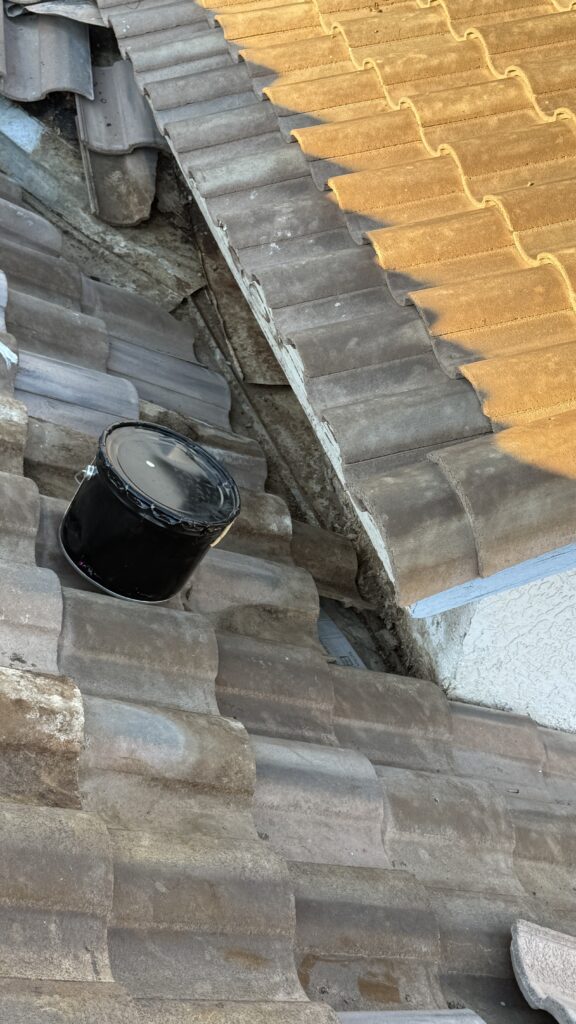
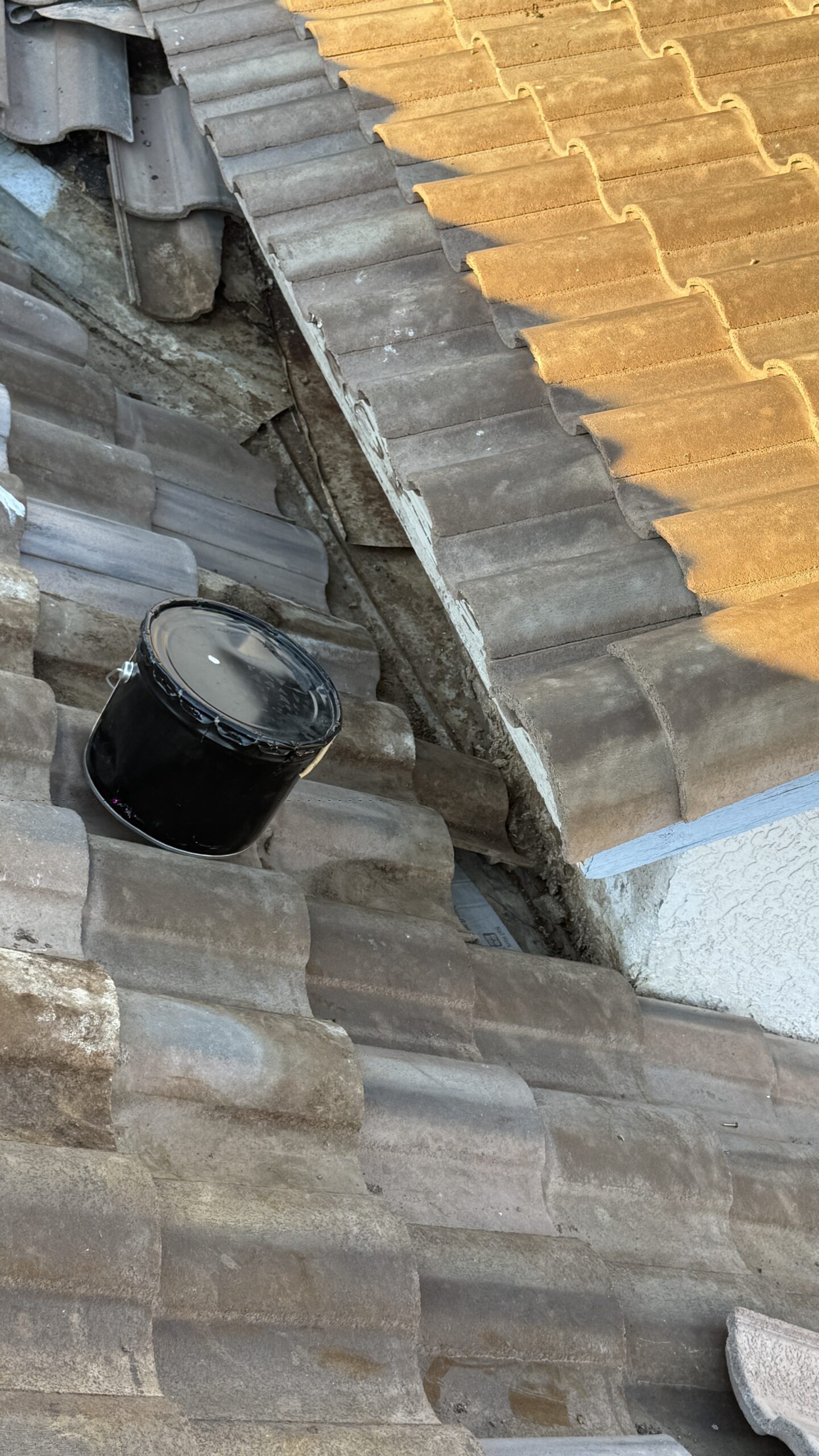
The photo accompanying this article shows a narrow junction between tiled roof sections beside a stucco wall. Some tiles are displaced or set aside, portions of the channel are exposed, and dirt or debris is visible in the area. White surface marks are also visible on nearby tiles. This is the kind of confined roof location that deserves attention when investigating pigeon activity and drainage concerns.
A photograph has limits. It does not establish that every white mark is a pigeon dropping, identify the condition of concealed underlayment, or prove that water has entered the home. It also does not document a completed pigeon roof cleaning or repair. A close inspection is needed to distinguish ordinary dirt, bird-related buildup, roof wear, and any existing installation problems.
That distinction helps homeowners avoid unnecessary work. Pigeon roof cleaning may reveal a serviceable roof detail, or it may uncover a condition requiring repair. The right recommendation follows the findings. For more examples of roof conditions, visit our roofing project gallery.
Why pigeon roof cleaning belongs on your maintenance checklist
A few birds passing overhead are different from pigeons repeatedly using the same sheltered space. When activity concentrates in one location, the resulting mess also concentrates there. Homeowners may first notice noise, feathers, or droppings on a patio, while the heaviest accumulation remains out of sight above the wall line.
Cleaning the visible patio does not resolve material left on the roof. A useful assessment connects the signs below with the likely roosting or nesting area above. Ask whether the birds are using an open ledge, a roof junction, a space around equipment, or another protected opening. Each situation calls for a different response.
Roof maintenance should address the entire affected area: access, debris, water pathways, nearby materials, and the reason birds keep returning. A cosmetic wash alone may leave those questions unanswered. Equally, installing a deterrent without checking the roof can conceal a drainage problem behind a new barrier.
Places worth checking on a Las Vegas tile roof
Valleys and narrow roof junctions
Where roof slopes converge, an inspection should establish how water is intended to leave the area and whether accumulated material interrupts that route. Confined junctions can be difficult to assess from the ground. Photographs taken during a professional inspection are useful because they show the actual channel rather than just the surrounding tiles.
Roof-to-wall transitions and sheltered corners
A raised wall or an upper roof can create a protected pocket. When pigeon activity is suspected there, ask the inspector to document the opening and the surrounding roofing detail. A gap should not automatically be filled with whatever material is nearby; its purpose and relationship to drainage need to be understood first.
Solar panels and rooftop equipment
If birds are entering beneath solar panels or around equipment, the inspection may require coordination with the installer or another qualified specialist. Avoid treating a panel array as an ordinary open roof surface. Access, wiring, attachment points, equipment instructions, and future servicing all matter when considering pigeon roof cleaning or exclusion.
Eaves, ledges, and discharge points
Observe these areas from a safe ground location. Repeated droppings below one edge can help identify where to investigate, but they do not reveal the full condition above. Note the location and timing of bird activity, then share those details when scheduling service instead of climbing onto the tiles yourself.
How pigeon roof cleaning supports roof drainage
Debris removal is part of maintaining roof drainage. The Tile Roofing Industry Alliance maintenance guidance recommends removing excessive material from gutters and valleys to support proper water flow. It also identifies flashing, vents, and other roof details as important inspection points.
Bird-related material may be mixed with windblown dirt, leaves, and other debris. The practical concern is the condition of the drainage path, regardless of which material arrived first. A channel that looks partly open from above may still have packed material beneath an overlapping edge or farther down toward its outlet.
Pigeon roof cleaning and inspection therefore work together. The initial assessment identifies the suspected obstruction; careful removal makes the underlying area visible; the follow-up inspection determines whether the channel and adjacent components need further attention. Ask for photos that show the full path, including the outlet, rather than only a clean patch near the top.
For weather-related warning signs and a broader inspection checklist, see our guide to storm damage in Las Vegas.
Does pigeon buildup mean the roof is damaged inside?
No single exterior symptom establishes interior damage. Droppings on tiles do not prove that the roof deck is wet, and birds on a roof do not automatically explain a ceiling stain. If a leak exists, the investigation should trace its source rather than assume pigeons caused it.
Tile roofing includes more than the visible tile surface. Flashing and underlayment are part of the water-management system, and their condition may require closer examination. The Tile Roofing Industry Alliance explains the role of both surface and underlying flashing protection in its technical guidance on tile roof penetrations.
Tell your roofer about fresh stains, recurring drips, peeling finishes, or damp areas noticed after rain. Include when the symptom appeared and whether it changes during storms. Those observations help connect the interior concern with an exterior inspection, although the visible stain may not be directly below the entry point.
Request separate explanations for pigeon roof cleaning, roof repairs, and any interior evaluation. A proposal should say what was observed, what remains uncertain, and what additional access is needed. A photograph of debris should never stand in for evidence of concealed wood damage or a recommendation to replace the entire roof.
A responsible approach to pigeon roof cleaning
1. Assess access and the extent of the buildup
Before work begins, the contractor should understand the roof layout, the affected area, and the access requirements. A small isolated spot and a heavily contaminated enclosed space are different jobs. Clarify whether the visit covers inspection only, pigeon roof cleaning, roofing repairs, or coordination with a bird-control professional.
2. Document existing conditions
Before photos should identify the location, nearby equipment, visible tile issues, and accumulated material. Documentation provides a useful baseline for the scope of work. It also helps distinguish conditions that existed before access from anything discovered as the work progresses.
3. Plan cleanup without spreading dusty material
Bird-dropping cleanup requires care. CDC/NIOSH guidance advises avoiding dry sweeping or shoveling dusty material that may be contaminated and describes dust-control measures. Large accumulations may require specialized handling. This does not mean a particular roof contains a pathogen; it means cleanup methods should be selected thoughtfully.
4. Protect the roof while removing material
Ask how the crew will protect tiles, exposed roofing, nearby equipment, and the property below. The work plan should explain containment and disposal as well as pigeon roof cleaning. Removing material from a roof should not simply relocate the problem to a walkway, neighboring property, or concealed drainage opening.
5. Inspect the cleared area and explain findings
Once the affected location is visible, the roofing assessment can be more specific. Ask for clear photographs and an explanation of any recommended repairs. A useful report distinguishes an area that has been cleaned from an area that has also been repaired or evaluated for water entry.
6. Agree on prevention and follow-up
Discuss what will happen if birds return, how any installed barrier will be serviced, and when the roof should be checked again. Pigeon roof cleaning, exclusion, and roofing maintenance may be separate scopes. Put those boundaries in writing so the homeowner knows who is responsible for each part.
Why pigeon roof cleaning requires more than a pressure wash
It is easy to judge pigeon roof cleaning by appearance. A brighter tile surface can look reassuring, but it does not answer whether a narrow channel is clear, whether an opening needs attention, or whether a leak source has been identified. Ask the contractor to explain the desired maintenance outcome before choosing a cleaning method.
The Tile Roofing Industry Alliance recommends using a licensed professional roofing contractor for tile roof cleaning because of access hazards and the opportunity to identify maintenance issues. Its guidance is especially relevant when cleaning involves walking on a wet tile roof.
For a homeowner, the useful questions are straightforward: Is this method appropriate for this roof? What areas will be protected? What will be inspected afterward? What findings will be documented? Avoid choosing a service solely because it promises the fastest wash or the cleanest-looking photograph.
Keeping pigeons from returning without obstructing the roof
Prevention starts with the location the birds are actually using. A device placed on a nearby ledge may not address an opening beneath equipment. Likewise, closing one entrance without assessing the whole space can leave the underlying problem unresolved. Ask for a site-specific explanation of the proposed approach.
Physical exclusion may involve screening or netting designed to prevent birds from accessing a particular area. Bird B Gone’s overview of bird exclusion explains this distinction between blocking access and other deterrent approaches. Product selection still depends on the structure and the bird activity observed.
For a roof installation, request details about attachment, drainage, ventilation where applicable, and future service access. The proposal should explain how the chosen system works with the roof or equipment manufacturer’s requirements. A barrier should not create an improvised dam or prevent the next technician from inspecting a critical detail.
Before an opening is closed, ask the bird-control professional how they will check for birds or dependent young inside. Discuss humane treatment and any applicable requirements as part of the work plan. The objective is an appropriate, maintainable solution with clear responsibility for follow-up.
Pigeon roof cleaning, tile repair, and underlayment work
A good estimate separates tasks instead of combining every concern into one vague line item. Pigeon roof cleaning addresses accumulated material. Tile repair addresses specific tile conditions. Flashing or underlayment work addresses identified roofing components. Bird exclusion addresses access or roosting. One property may need several of these, but the evidence should explain why.
Ask whether the recommended work is localized or whether the inspection identified broader concerns. If tiles need to be lifted, clarify the extent of access and how they will be reinstalled or replaced. If additional damage may be discovered, agree on how photographs, pricing, and authorization will be handled before that work proceeds.
Presto Roofing LV’s roof repair services and roof maintenance services provide starting points for discussing the roofing side of the problem. Contact us to confirm the scope needed for your property, including whether specialized cleanup or bird-control coordination is appropriate.
A practical maintenance schedule for Las Vegas homeowners
Set a follow-up schedule around the roof’s condition and history rather than relying on one universal interval. A property with repeated pigeon activity may need closer observation than a property with no recurring buildup. Ask the inspecting contractor to recommend a schedule and explain what would trigger an earlier visit.
Between professional visits, keep a simple record from the ground. Note repeated bird activity, new droppings beneath a roof edge, loose tile fragments, and changes noticed after wind or rain. Use dated photographs where safe. Comparing the same view over time is more useful than trying to remember whether a mark was there months earlier.
After pigeon roof cleaning or exclusion, look for recurrence. If fresh material appears quickly, report the location to the responsible contractor rather than waiting for the next routine appointment. Keep the original inspection photos, estimate, and service notes together so a follow-up visit can focus on what has changed.
If water enters the home, schedule a roofing evaluation promptly and describe the active symptoms. Routine pigeon maintenance and an active leak investigation can overlap, but the leak deserves its own clear diagnosis and response.
How to prepare for a pigeon roof cleaning assessment
A little preparation makes the inspection more useful without requiring you to go onto the roof. Before the appointment, write down the main concern in plain language: repeated pigeons above the bedroom, debris falling near the garage, or a stain that appeared after rain. Include approximate dates and explain whether the problem has happened before.
Gather records of previous roof repairs, cleaning, solar installation, or bird-control work if you have them. A past invoice can identify what was actually repaired and what was only inspected. Share any existing warranty paperwork with the appropriate contractor so questions about covered work can be addressed before alterations are made.
Ask where the crew will need access and whether vehicles or outdoor furniture should be moved. Mention pets, locked gates, shared access, and any areas where falling debris would be especially disruptive. For an HOA or managed property, confirm who can authorize the work and receive the inspection report.
During the review, ask the contractor to separate observations from recommendations. “There is material in this channel” is an observation. “This area needs repair” should come with an explanation of the defect and the proposed repair. If the condition cannot be confirmed without opening the roof, ask how that additional investigation will be scoped.
At the end of the visit, request a written summary you can use later. It should identify the inspected locations, the agreed work, any limitations, and the next recommended action. Keep before-and-after images with that summary. This creates a practical maintenance record for the property and helps another professional understand the history if the same location needs attention in the future.
What affects the cost of pigeon roof cleaning?
A reliable price requires information about the property and the work. Roof height, slope, access, the extent of accumulated material, containment needs, and the number of affected locations can all change the scope. Equipment access and coordination with another specialist may also affect the proposal.
Roofing repairs should be identified separately from pigeon roof cleaning whenever possible. An inexpensive cleanup quote may exclude tile work, hidden conditions, disposal, or prevention. A more detailed proposal may cover those items, but the homeowner should be able to see exactly what is included.
When comparing estimates, ask for the same basic information: affected locations, pigeon roof cleaning method, disposal, inspection documentation, repair allowances, exclusion details, and follow-up terms. Avoid comparing only the final total when the scopes differ. We do not quote a universal price from a photograph because access and concealed conditions still need evaluation.
Frequently asked questions about pigeons and tile roofs
Can pigeons cause a roof leak?
Bird-related debris can be relevant to a drainage investigation, but pigeons on the roof do not prove the cause of a leak. Have the affected channels, flashing, and nearby roof components inspected. Ask the roofer to explain the evidence connecting any identified defect to the water entry.
Is pigeon roof cleaning a safe DIY job?
Do not climb onto a tile roof to attempt cleanup. Professional access and an appropriate pigeon roof cleaning plan matter, especially where accumulated material is dusty or the roof is wet. For substantial contamination, ask whether a specialist is needed before work begins.
Will pigeon roof cleaning stop birds from returning?
Pigeon roof cleaning removes existing material; it does not necessarily change the sheltered space attracting the birds. Ask whether the source of repeated activity has been identified and whether exclusion or another site-specific measure is appropriate. Follow-up observation helps determine whether the approach is working.
Does the photo mean I need a new roof?
No. The photo shows a limited area and does not establish the condition of the entire roof. Decisions about localized repair, broader underlayment work, or replacement require an inspection and a documented explanation. Ask what the contractor found and what alternatives are available.
Who should inspect a roof with solar panels?
Start by explaining the problem to your roofer and solar provider. Depending on the location, coordinated access may be needed. Confirm who will handle equipment-related work and how any proposed bird barrier will preserve future maintenance access.
What photos help with a pigeon roof cleaning estimate?
Send your property address directly to the contractor, ground-level photos, the locations of repeated bird activity, and any history of leaks or prior repairs. Mention solar panels, restricted access, or a multistory roof. These details help the team plan the visit.
Discuss pigeon roof cleaning and maintenance with Presto Roofing LV
If pigeons keep gathering on your roof, start with an inspection that considers both the buildup and the roofing underneath. Clear documentation can help you decide what needs cleaning, what needs repair, and whether bird-control coordination is part of the solution.
Presto Roofing LV helps Las Vegas property owners with roofing maintenance and repair needs. Call 702-867-0187, email info@prestoroofinglv.com, or use our Contact Us page to discuss your roof. Share the visible symptoms and ask what an inspection should cover for your property.
For a broader overview before you book, explore our guide to roofing inspections, repairs and maintenance in Las Vegas. Addressing recurring debris and documenting roof conditions gives you a clearer basis for maintenance decisions before the next rain.
More roofing services to explore
- Specialized roofing services
- Roof repairs beneath pool solar panels
- Chimney flashing and roof leak repairs
- Roof inspections and consulting
For routine care after pigeon roof cleaning, arrange roof maintenance in Las Vegas, Henderson and North Las Vegas. If debris affects gutters or roof edges, review our gutter, fascia and soffit services. For active water entry or displaced tiles, request emergency tile roof repair.